

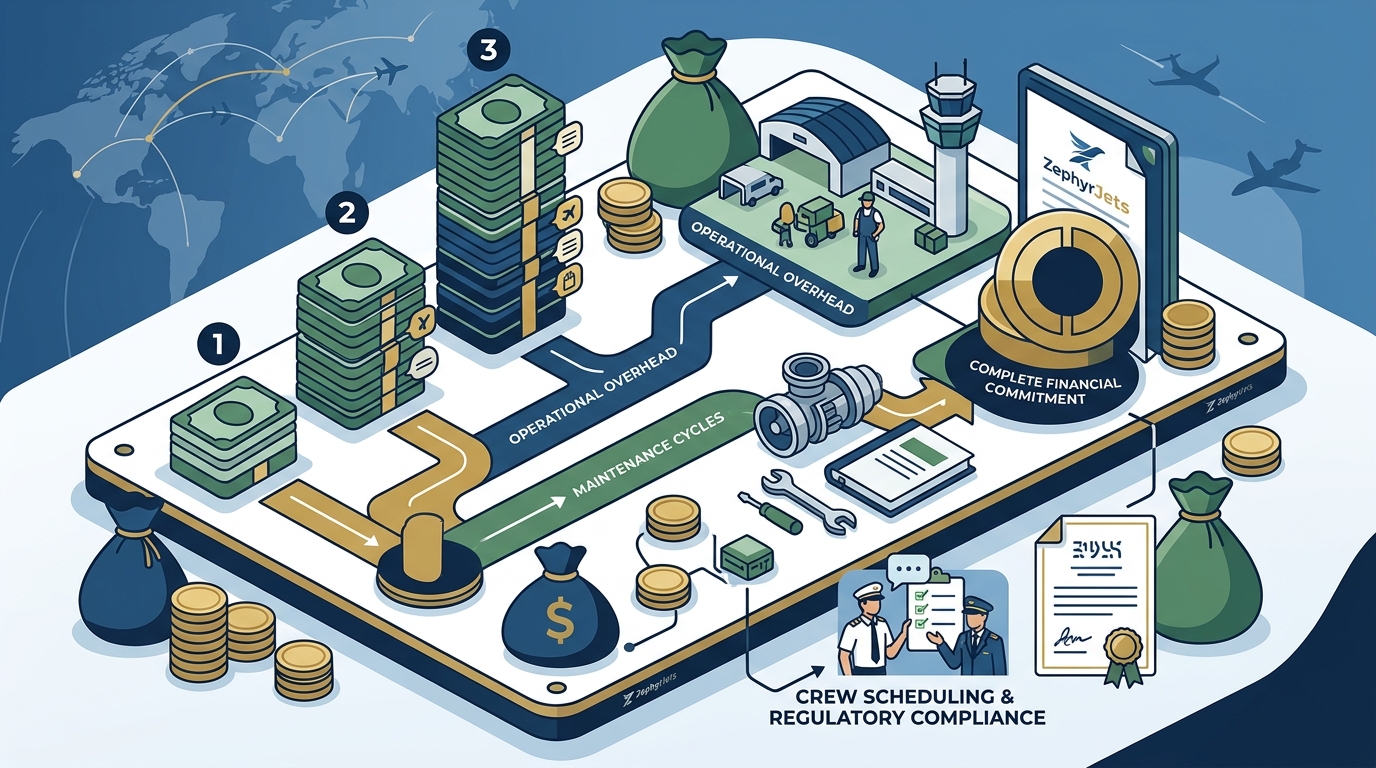
Understanding the financial mechanics of private aviation requires examining how providers structure their operational overhead. Industry data indicates that charter rates typically fluctuate between two thousand and fifteen thousand dollars per flight hour depending on aircraft class and routing complexity. These variations stem from maintenance cycles, crew scheduling, and regulatory compliance requirements. When evaluating competing service providers, travelers must look beyond the base hourly rate to understand the complete financial commitment. This comprehensive analysis breaks down the exact variables that drive pricing differences across the commercial aviation sector.
Understanding Base Charter Rates
Base charter rates represent the foundational cost of securing an aircraft for a specific journey. Base charter rates are the standard hourly fees charged by operators to cover core flight operations. These figures typically encompass aircraft depreciation, insurance premiums, and standard crew compensation. Providers calculate these numbers using historical utilization data and current market demand. When comparing providers, you will notice that regional operators often maintain lower base rates than global networks. This difference reflects localized maintenance facilities and reduced repositioning expenses. Always verify whether the quoted rate includes standard fuel surcharges before finalizing a booking.
The Impact of Aircraft Class and Size
The physical specifications of the aircraft directly dictate the financial baseline for any charter. Aircraft class refers to the standardized categorization system used to group jets by range, cabin capacity, and performance metrics. Light jets generally accommodate four to six passengers and operate efficiently on short regional routes. Midsize aircraft expand the passenger capacity to eight or nine travelers while extending operational range. Heavy jets and ultra-long-range models support transcontinental missions with full cabin amenities. Selecting the appropriate class prevents unnecessary expenditure on unused capacity. Our comprehensive aircraft galleries detail the exact specifications for every available model.
Empty Legs and Discounted Routing
Operators frequently schedule repositioning flights to return aircraft to their home base or prepare for a confirmed charter. Empty legs are unoccupied aircraft movements that occur when jets must reposition without paying passengers. Providers often sell these available seats at significantly reduced rates to offset operational losses. This strategy allows budget-conscious travelers to access premium aircraft at a fraction of standard pricing. Availability remains highly dynamic and requires immediate booking action. You can explore current empty leg specials to identify discounted routing opportunities that match your schedule.
Jet Card Programs Versus On-Demand Flights
Business aviation offers distinct purchasing models that fundamentally alter cost predictability. Jet card programs are prepaid aviation access products that guarantee aircraft availability at fixed hourly rates. These programs require upfront capital investment but eliminate market volatility and surge pricing. On-demand charters provide maximum flexibility without long-term financial commitments. The optimal choice depends entirely on your annual flight volume and scheduling consistency. Executives who fly more than fifty hours annually typically realize substantial savings through structured access programs. Our advisors can help you evaluate the exact break-even point for your specific travel patterns.
Hidden Fees and Operational Variables
Transparent pricing requires careful attention to ancillary charges that frequently appear on final invoices. Landing fees, handling charges, and overnight crew accommodations vary significantly by airport authority. International flights introduce customs processing fees and landing permits that differ by jurisdiction. Operational variables are the unpredictable logistical costs that fluctuate based on destination infrastructure and regulatory requirements. Reputable providers disclose these variables during the initial consultation phase. Requesting a detailed advanced jet quote ensures you receive a comprehensive breakdown before committing to any itinerary.
How ZephyrJets Structures Competitive Pricing
Established operators leverage decades of industry relationships to secure preferential aircraft access. Industry relationships are long-term contractual agreements between charter brokers and aircraft owners that guarantee priority access. These partnerships enable providers to negotiate favorable terms during peak demand periods. ZephyrJets utilizes sixteen years of operational history to maintain competitive rates across all aircraft categories. Our dedicated team advisors analyze routing efficiency to minimize repositioning costs. You can experience this streamlined approach by contacting our charter specialists for immediate assistance. We consistently deliver quotes within four hours while maintaining the highest safety standards.
Comparing Charter Service Models
| Service Model | Cost Structure | Best Use Case | Provider Link |
|---|---|---|---|
| On-Demand Charter | Variable hourly rates based on aircraft class and routing | Irregular schedules and one-time luxury travel | Charter a Private Jet |
| Empty Leg Flights | Discounted rates ranging from thirty to fifty percent below standard pricing | Flexible travelers seeking premium aircraft at reduced costs | Empty Leg Specials |
| Jet Card Access | Fixed hourly rates with upfront capital investment | High-frequency corporate executives and recurring business routes | Advanced Jet Quotes |
| Cargo Charter | Custom pricing based on weight, volume, and handling requirements | Time-sensitive freight and specialized logistics | Cargo Jet Charter |
Key Takeaways
- Base charter rates typically range from two thousand to fifteen thousand dollars per flight hour depending on aircraft class.
- Empty leg discounts frequently reduce standard pricing by thirty to fifty percent when routing aligns with your destination.
- Jet card programs require upfront capital but guarantee fixed hourly rates and priority aircraft allocation.
- Operational variables include landing fees, handling charges, and international customs processing costs.
- ZephyrJets maintains sixteen years of consistent market presence with a four-hour quote turnaround.
- Heavy jets and ultra-long-range models support transcontinental missions with full cabin amenities.
- Industry relationships enable brokers to secure preferential aircraft access during peak demand periods.
Frequently Asked Questions
How do private jet provider pricing structures differ?
Providers differentiate their pricing through base hourly rates, aircraft class specifications, and ancillary fee structures. Some operators bundle fuel and handling charges while others itemize them separately. Transparent providers disclose all variables during the initial consultation phase.
Are empty leg flights actually cheaper than standard charters?
Empty leg flights consistently offer reduced pricing because operators seek to offset repositioning costs. These discounted rates typically range from thirty to fifty percent below standard charter pricing. Availability remains highly dynamic and requires immediate booking action.
What is the financial advantage of jet card programs?
Jet card programs guarantee fixed hourly rates and priority aircraft allocation without market volatility. These programs require upfront capital investment but eliminate surge pricing during peak travel seasons. High-frequency travelers typically realize substantial annual savings through structured access.
Which aircraft class offers the best value for short regional trips?
Light jets generally accommodate four to six passengers and operate efficiently on short regional routes. These aircraft minimize fuel consumption and landing fees while maintaining premium cabin comfort.
How quickly can providers generate accurate charter quotes?
Established operators utilize dedicated advisory teams to generate comprehensive quotes within four hours. This rapid turnaround ensures travelers can secure preferred aircraft before market rates shift. Our advisors analyze routing efficiency to minimize repositioning costs.
What operational variables impact final charter invoices?
Operational variables include landing fees, handling charges, overnight crew accommodations, and international customs processing. These costs fluctuate based on destination infrastructure and regulatory requirements. Requesting a detailed quote ensures you receive a comprehensive breakdown before committing.
Can cargo charters be priced similarly to passenger flights?
Cargo charters utilize custom pricing models based on weight, volume, and specialized handling requirements. These flights prioritize payload capacity over passenger amenities while maintaining identical safety standards. Specialized logistics providers coordinate complex freight movements efficiently.
Secure Your Preferred Aircraft Today
Understanding the exact cost differences between private jet providers empowers you to make financially sound travel decisions. Our dedicated team advisors analyze routing efficiency and aircraft specifications to deliver competitive rates. Contact our specialists at (212) 561-5500 or visit our main charter portal to request a comprehensive quote. We guarantee transparent pricing, rapid turnaround, and seamless execution for every journey.