
Private jet charter pricing varies dramatically from one provider to the next, and the differences can add up to tens of thousands of dollars on a single trip. Aircraft category, fuel surcharges, repositioning fees, and broker markups all play a role. In 2026, rising jet fuel prices and surging demand from events like the FIFA World Cup are making it more important than ever to understand exactly what drives cost and how to compare providers before you book. This guide breaks down the real numbers so you can make a confident, informed decision.
Hourly Rates by Aircraft Category
A private jet charter is when an individual or company hires a certified air carrier to conduct a flight between two or more points under FAA FAR Part 135 regulations. Hourly rates are the primary building block of any charter quote, and they differ significantly by aircraft size.
| Aircraft Category | Hourly Rate (2026) | Seats | Typical Range |
|---|---|---|---|
| Turboprop | $2,000 - $3,000 | 6 - 8 | Up to 1,000 nm |
| Light Jet | $2,600 - $3,500 | 6 - 8 | 1,500 - 2,000 nm |
| Midsize Jet | $3,000 - $6,000 | 8 - 10 | 2,500+ nm |
| Super-Midsize Jet | $4,500 - $7,500 | 8 - 12 | 3,000+ nm |
| Heavy Jet | $5,000 - $11,000 | 10 - 16 | 4,000+ nm |
| Ultra-Long-Range | $8,000 - $14,000 | 12 - 19 | 6,000+ nm |
| VIP Airliner | $15,000 - $23,000+ | 19+ | Global |
Model-specific premiums also matter. A newer Gulfstream G650 can cost $200 to $2,000 more per hour than an older Falcon 900 in the same heavy jet class. When comparing providers, always confirm the exact aircraft make and model in the quote.
Hidden Fees That Inflate Your Quote
A repositioning fee is the cost incurred when an aircraft must fly empty to your departure airport before your trip begins. This deadhead leg is often billed at the full hourly rate. On a New York departure from Teterboro, a two-hour positioning flight could add $7,000 to $14,000 to your invoice.
Taxes and Segment Fees
The IRS applies a 7.5% Federal Excise Tax (FET) to all domestic charter flights. A per-segment fee of approximately $4.80 also applies to each takeoff-to-landing leg. On a round trip, both charges apply twice.
Seasonal and Event Surcharges
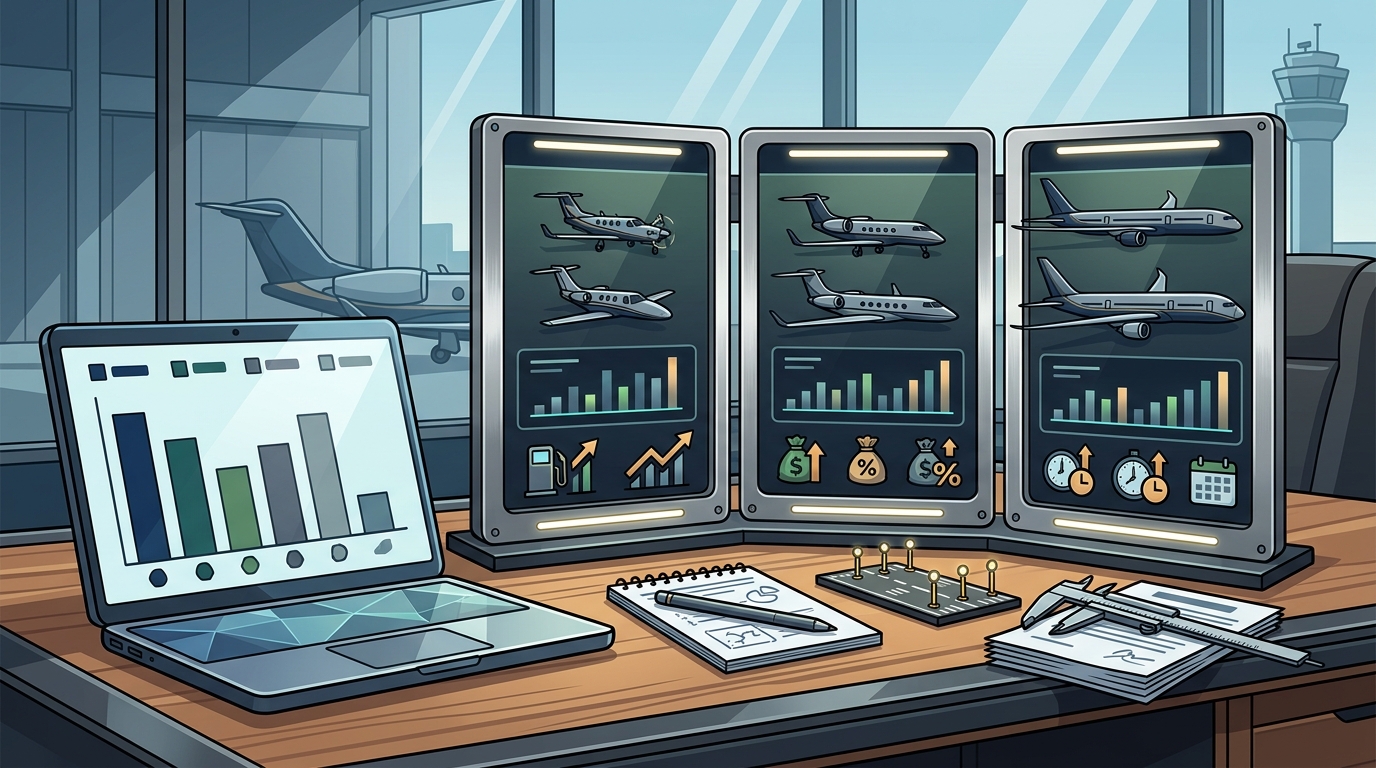
Charter prices surge 20% to 40% above baseline during holidays and major events. Thanksgiving, the Cannes Film Festival, and the 2026 FIFA World Cup will all compress aircraft availability and push rates higher across host cities like New York, Los Angeles, and Miami.
Overnight and De-icing Fees
Crew overnight fees range from $1,500 to $3,500 per night. Winter de-icing charges can add $1,500 to $12,000 depending on aircraft size and airport location. These are rarely included in the initial quote.
2026 Market Trends Affecting Pricing
Private jet charter activity has continued climbing through the first months of 2026. According to ARGUS TRAQPak data, Part 135 charter posted a 4.5% increase in April 2026 compared to April 2025. Global business aviation flight activity grew 3.6% year-over-year in the same month.
Jet fuel is the largest portion of flight operating costs, and prices since March 2026 have risen roughly 30% nationwide. Industry observers report that overall charter costs have increased 15% to 20% during this period due to fuel pricing alone. Providers that offer transparent, all-inclusive quotes help insulate clients from post-booking surcharges.
Despite this, the broader market has stabilized compared to the 2019-2023 surge. Charter and jet card rates grew by just 1.7% year-over-year in 2025, actually lagging behind the 2.7% U.S. CPI increase, according to Forbes-cited data reported by ABC17.
Route-Based Pricing Examples
Pricing varies not just by aircraft but by corridor. Wind patterns, airport fees, and regional demand all affect the final number. Here are representative 2026 one-way costs on popular routes:
| Route | Aircraft Class | Est. One-Way Cost | Flight Time |
|---|---|---|---|
| New York to Miami | Light / Midsize | $8,000 - $18,000 | ~2h 55m |
| New York to Los Angeles | Super-Mid / Heavy | $35,000 - $50,000 | ~5h 15m |
| Chicago to Las Vegas | Midsize / Super-Mid | $18,000 - $32,000 | ~3h 45m |
| Los Angeles to London | Heavy / Ultra-Long | $85,000 - $130,000 | ~10h 40m |
| Los Angeles to Paris | Heavy / Ultra-Long | $90,000 - $140,000 | ~11h 15m |
Airport choice also matters. Choosing alternative airports in Los Angeles such as Burbank or Long Beach over LAX can save $1,000 to $3,000 per leg in landing and handling fees.
How Empty Leg Flights Lower Costs
An empty leg flight is a repositioning flight that occurs when an aircraft needs to return to its base or travel to its next booking without passengers. These flights are offered at steep discounts because the operator has already committed to the route. ZephyrJets' charter specialists maintain a database of empty leg availability with point-to-point pricing that is consistently 40% to 60% lower than standard charter fares.
For example, the New York to Miami corridor is one of the most popular empty leg routes in the Northeast. The most common routing from Teterboro to Opa-Locka eliminates positioning costs and delivers some of the best-priced jets available. Similarly, LA to London empty legs on heavy jets like the Gulfstream V or Global Express XRS offer premium transatlantic travel at a fraction of standard charter rates.
The trade-off is flexibility. Empty legs require matching your schedule to existing aircraft movements, but for travelers with some date flexibility, the savings are substantial.
What to Ask Before Signing a Charter Quote
Not all quotes are created equal. Some providers present low base rates and add fees later, while others offer all-inclusive pricing. Before committing to any provider, ask these questions:
- Is the quote all-inclusive? Confirm whether fuel surcharges, FET, landing fees, and crew overnights are included.
- What is the billing method? Ask whether billing is wheels-up to wheels-down or includes taxi time. Most FAR Part 135 operators bill from wheels-up to wheels-down, but confirm in writing.
- Are positioning legs included? If the aircraft is not based at your departure airport, clarify the repositioning cost upfront.
- What safety certifications does the operator hold? Look for ARGUS Platinum or Wyvern Wingman ratings.
- Is there a peak-day surcharge? During high-demand periods, some operators add 10% to 30% on top of standard rates.
ZephyrJets provides total transparency with no hidden fees and clear contracts on every booking. Their 24/7 team adapts in real time to weather changes and scheduling shifts, giving clients confidence that the quoted price reflects the actual cost.
Key Takeaways
- Private jet hourly rates in 2026 range from $2,000 for turboprops to $23,000+ for VIP airliners.
- Repositioning fees, FET (7.5%), and seasonal surcharges (20-40%) can significantly inflate the base quote.
- Jet fuel prices rose roughly 30% since March 2026, pushing overall charter costs up 15-20%.
- Empty leg flights offer savings of 40-60% below standard charter fares for flexible travelers.
- Airport selection can save $1,000 to $3,000 per leg by avoiding premium commercial airports.
- Always request an all-inclusive quote and confirm the exact aircraft make, model, and billing method.
- Working with a boutique provider like ZephyrJets ensures personalized pricing with access to 3,500+ aircraft worldwide.
Frequently Asked Questions
How much does it cost to charter a private jet in 2026?
Private jet charter costs range from $2,000 to $14,000+ per flight hour depending on the aircraft category and route. A short domestic trip on a light jet might cost $8,000 to $12,000 total, while a transatlantic flight on an ultra-long-range jet can run $90,000 to $140,000 one way.
Why do quotes differ so much between providers?
Differences stem from aircraft age and model, operator safety ratings, included fees, and broker markups. Some providers present net rates while others add positioning, fuel surcharges, and taxes after the initial quote. Always compare all-inclusive totals.
What is an empty leg flight?
An empty leg flight is a repositioning trip where the aircraft flies without passengers to its next assignment or home base. These flights are offered at 40-60% discounts. ZephyrJets publishes daily empty leg availability across a global city-pair network.
Are there taxes on private jet charters?
Yes. The IRS applies a 7.5% Federal Excise Tax and a per-segment fee of approximately $4.80 on all domestic charter flights. International flights may be subject to different tax structures depending on origin and destination.
How far in advance should I book a private jet?
Many providers can arrange flights with as little as four hours' notice, though booking 48 to 72 hours ahead typically secures better aircraft selection and pricing. For peak periods or international travel, a 7 to 14 day lead time is recommended.
Does the 2026 FIFA World Cup affect charter pricing?
Yes. WingX is forecasting more than 73,000 related private jet flights across 16 host cities. Aircraft availability will tighten significantly in cities like New York, Los Angeles, Miami, Dallas, and Seattle during peak summer weeks, putting upward pressure on pricing.
How can I get the lowest private jet charter rate?
Consider empty leg flights, choose alternative airports, remain flexible on dates, and work with a provider like ZephyrJets that offers competitive point-to-point pricing and real-time aircraft sourcing across 3,500+ aircraft.
What is the cheapest type of private jet to charter?
Turboprops are the most affordable option, with hourly rates starting around $2,000. For a two-hour regional flight, total costs typically fall between $2,500 and $5,000 before fees. Light jets are the next tier, starting at $2,600 to $3,500 per hour.
Get Your Custom Charter Quote Today
Every trip is different, and the best way to understand your true cost is to request a personalized quote. ZephyrJets' dedicated specialists are available 24/7 at (212) 561-5500 to secure the perfect aircraft at the best price. Request your free, no-obligation quote now and see why discerning travelers trust ZephyrJets for transparent, competitive private jet charter.